Google AI glasses are set to revolutionize how we interact with technology by seamlessly integrating digital content into our daily lives. Powered by the innovative Android XR platform, these glasses promise an immersive experience similar to what users expect from mixed reality headsets. Recently showcased alongside the Samsung Galaxy XR headset, Google AI glasses leverage insights from Project Aura, developed in collaboration with XREAL, to deliver a robust augmented reality experience. With features like a 70-degree field of view and optical see-through technology, users can overlay virtual elements onto their physical environment. Expected to launch next year, these AI glasses are designed not just for navigation but also for enhancing productivity and entertainment on-the-go.
The upcoming AI eyewear from Google represents a landmark shift in augmented reality technologies, incorporating advanced features typically found in mixed-reality devices. Known by terms such as augmented glasses or XR eyewear, this cutting-edge innovation aims to provide users with an interactive digital overlay in their real-world settings. The synergy of the Android XR framework and collaborations with other tech companies is paving the way for usability that fits seamlessly into everyday life. With Project Aura and its partnerships, notably with brands like XREAL, these devices are positioned to enhance versatility, enabling personalized interactions while remaining intuitive and unobtrusive. As the tech landscape evolves, early adopters can anticipate a profound transformation in how we perceive the intersection of digital and physical realms.
Introducing Google’s AI Glasses and the Android XR Platform
Google is set to revolutionize the way we interact with technology through its innovative AI glasses, powered by the new Android XR platform. Debuting on the Samsung Galaxy XR headset, this platform facilitates a more integrated experience for users in augmented reality. The AI glasses are designed to enhance daily tasks by providing seamless access to information and navigation without compromising the user’s field of vision. This evolution emphasizes Google’s commitment to leading the market in AI and mixed reality devices.
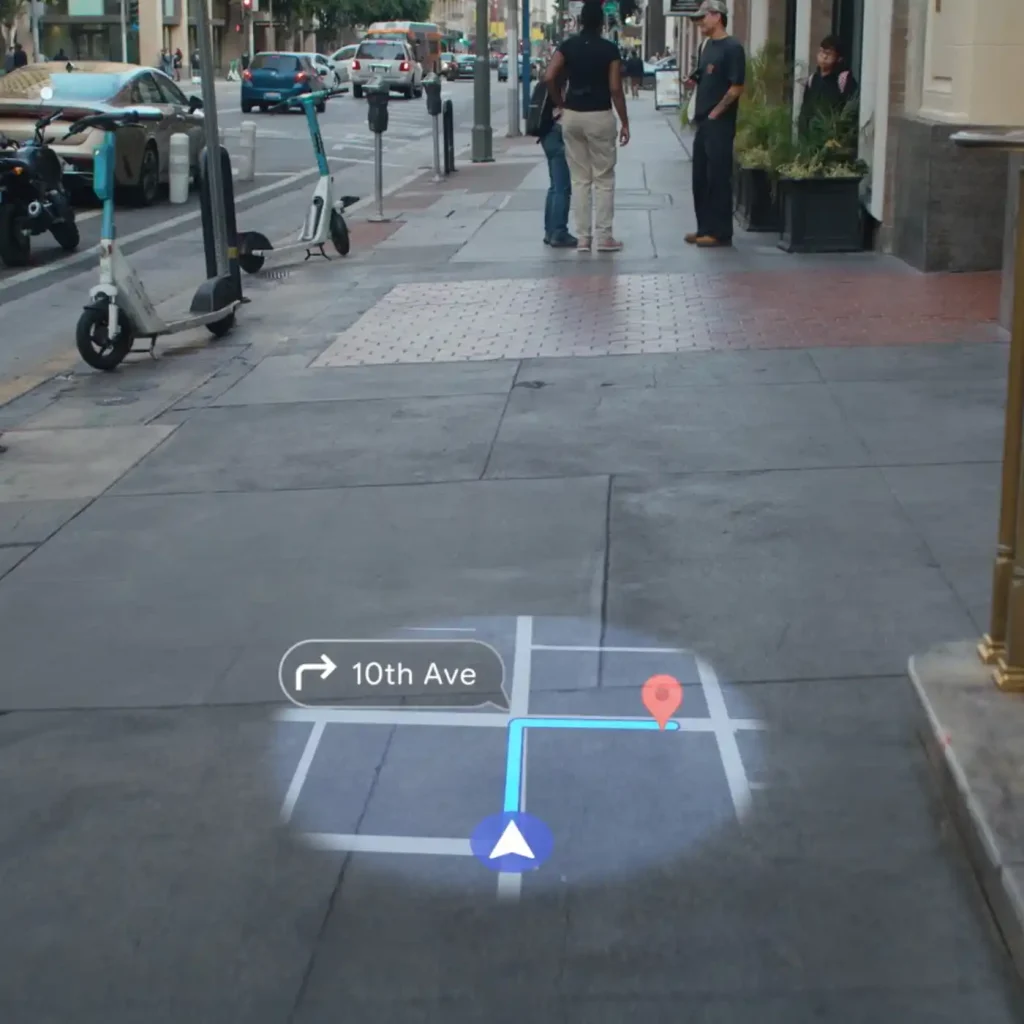
By integrating cutting-edge technology with practical applications, Google’s AI glasses aim to bridge the gap between digital and real-world interactions. For instance, users can expect features like turn-by-turn navigation displayed directly in their line of sight, making these glasses an invaluable tool for both work and leisure. The utilization of LSI keywords like ‘Augmented Reality’, ‘mixed reality headset’, and ‘Samsung Galaxy XR’ reflects the diverse functionalities these glasses will offer, ultimately reshaping user experiences in a variety of environments.
Exploring Project Aura and the Future of Mixed Reality Glasses
Project Aura represents a significant leap forward in the development of wearable technology, with Google collaborating with XREAL to create wired XR glasses that promise to deliver a mixed reality experience akin to larger headsets. This project highlights the potential for compact devices to support complex augmented reality scenarios, enabling users to view and interact with digital content in a more immersive way. The glasses feature a 70-degree field of view and optical see-through technology, allowing for a harmonious blend of real and virtual environments.
The impact of Project Aura could redefine how users engage with technology in their daily lives. By prioritizing a lightweight design and portability, Google aims to make these mixed reality glasses accessible to a broader audience. As advancements in the Android XR platform continue, we can expect even richer experiences that utilize terms like ‘XREAL glasses’ as synonymous with innovation. Given the forthcoming details expected next year, this initiative may set a new standard for both personal and professional use of AR solutions.
The Role of AI in Everyday Life Through Google’s New Glasses
Artificial Intelligence is rapidly becoming an integral part of everyday devices, and Google’s AI glasses are no exception. By incorporating intelligent capabilities, users can interact with their environment in unprecedented ways. For example, the simplicity of audio-only functions allows for hands-free communication with Google’s Gemini assistant, elevating the user experience by providing information and assistance without visual clutter. This level of interactivity is enhanced by the glasses’ ability to recognize contextual information, improving the relevance and efficiency of responses.
The fusion of AI with the Android XR platform is designed to make life easier, whether you’re navigating through unknown areas or multitasking at work. Key functionalities might include live translations, reminders, and even contextual assistance that adapts to the user’s surroundings. As more consumers expect smart technologies in their daily accessories, Google’s commitment to integrating AI into its glasses echoes the broader trend of personalization and efficiency in tech advancements.
Samsung Galaxy XR: A Foundation for Future AI Glass Innovations
The launch of the Samsung Galaxy XR headset provided a robust foundation for Google’s AI glasses and the Android XR platform. With innovative features such as PC Connect, users can seamlessly integrate their desktop experience with mobile applications, fostering a fluid transition between tasks. This versatility positions the Galaxy XR as a critical player in the future landscape of wearable technology, enabling advanced interactions that can also benefit from the enhancements expected in upcoming AI glasses.
As Google continues to develop its AI glasses, the collaboration with Samsung through the Galaxy XR headset highlights a significant trend towards creating integrated ecosystems. By linking mobile devices with AR capabilities, users can experience a convergence of functionality that extends beyond traditional computing. This partnership not only sets the stage for future innovations in AI and mixed reality but also emphasizes the increasing importance of interconnected devices in our tech-driven world.
Navigating the Augmented Reality Landscape with Google Glasses
Augmented reality (AR) is not just a technological trend; it is a transformative movement that Google is at the forefront of with its upcoming AI glasses. These devices offer impressive capabilities, including the ability to display navigational prompts as users move through their environments. This innovative approach not fuel the rise of AR technologies but also positions Google as a leader in practical applications of augmented reality that users can rely on for everyday life.
As the demand for AR solutions rises, it’s essential for manufacturers to address user needs effectively and provide intuitive interfaces. Google’s emphasis on optical see-through technology and contextual awareness in its AI glasses highlights a commitment to enhancing user experience by making technology feel more natural and integrated. This alignment with practical demands reflects the philosophy that successful AR adoption depends on functionality, making Google’s venture into the augmented reality landscape one that is likely to influence market trends significantly.
The Future of Wearable Tech: AI Glasses from Google
Wearable technology has rapidly evolved, and Google’s AI glasses exemplify the future of personal devices that augment our reality. As these glasses utilize the Android XR platform, we can anticipate a range of applications that go beyond mundane uses. Whether enhancing productivity at work or providing immersive entertainment experiences, the potential for AI glasses to field diverse applications is vast and represents a major shift in how we interact with both our digital and physical environments.
The ability to project useful information directly into users’ line of sight is a game-changer in wearable tech. With Google’s vocal assistant that integrates conversational interaction, the learning curve for new users is minimized, making AR technology much more accessible. In this competitive landscape, features unique to Google’s AI glasses—including practical uses and compelling design—are set to carve out a significant niche in the wrist technologies market, attracting tech-savvy consumers eager to embrace the future.
Understanding the Benefits of Integration with Windows PCs
One of the standout features announced for the Samsung Galaxy XR headset is its ability to connect seamlessly with Windows PCs, a significant advantage for users looking to enhance their digital experience. This PC Connect functionality enables users to view their Windows desktop alongside Android applications, allowing for multitasking that was previously difficult with standalone devices. As these capabilities expand, Google’s upcoming AI glasses could also benefit from similar features, fostering a robust ecosystem for users.
The marriage of Android software capabilities with PC functionalities opens doors for new workflows and productivity strategies, particularly appealing to professional users who benefit from enhanced multitasking capabilities. Hence, whether it is through collaborations or technological integration, the synergy between Google’s AI glasses, Android XR platform, and Samsung Galaxy XR headset promises to deliver a proficient user experience that fuses the lines between mobile devices and traditional computing.
The Accessibility Revolution: AI Glasses for Everyday Use
Accessibility plays a crucial role in technology adoption, and Google’s AI glasses are designed to cater to a wide user demographic. With their lightweight design and user-friendly interface, these glasses are not just targeting tech enthusiasts but also individuals seeking practical assistance in their daily lives. For instance, audio-only functionalities will make it easier for users who may have challenges with visual information to engage with their environment effectively, promoting greater inclusivity.
As technology continues to make strides towards inclusivity, Google’s commitment to developing AI glasses with practical, assistive features emphasizes the importance of accessible designs in modern technology. By addressing unique user needs and incorporating input from diverse communities, Google’s AI glasses are poised to uplift everyday experiences, proving that groundbreaking technology can indeed be user-friendly and tailored for everyone.
A Look Ahead: What to Expect from Upcoming AI Glasses
The anticipation surrounding Google’s upcoming AI glasses is palpable, with promising features set to redefine how we interact with technology. With the Android XR platform at its core, these glasses are expected to blend augmented reality with artificial intelligence seamlessly. As Google prepares to unveil additional details, users are eager to learn how these innovations will impact various sectors, from gaming to professional applications, revolutionizing the user experience across the board.
The excitement is not just about the technology itself but also about the myriad of applications that will emerge once these glasses hit the market. Tapping into the trends of mixed reality headsets and powered by AI capabilities, Google’s upcoming introduction signals a broader shift towards utilizing wearables to enhance productivity and connectivity. Ultimately, this will usher in a new era of how we perceive augmented reality and its relevance in our daily interactions.
Frequently Asked Questions
What are Google AI glasses and how do they relate to the Android XR platform?
Google AI glasses are smart eyewear designed to enhance the user experience by integrating with the Android XR platform. Set to launch next year, these glasses will provide features like navigation and information display directly in your line of sight, harnessing the power of augmented reality.
How does Project Aura enhance the functionality of Google AI glasses?
Project Aura is an initiative where Google collaborates with XREAL to create wired XR glasses that aim to deliver mixed reality experiences in a compact form. These glasses will employ a 70-degree field of view and optical see-through technology, allowing users to overlay digital content on their physical surroundings.
What features can we expect from the upcoming Google AI glasses?
The upcoming Google AI glasses are expected to feature a small in-lens display for essential information like turn-by-turn navigation, audio capabilities for interacting with Google’s Gemini assistant, and potential integration with Project Aura for a mixed reality experience.
Will Google AI glasses support features found in the Samsung Galaxy XR headset?
Yes, Google AI glasses are expected to integrate capabilities similar to those in the Samsung Galaxy XR headset, including the ability to connect to Windows PCs for a seamless experience between Android apps and desktop content.
What is the advantage of using Google’s AI glasses with optical see-through technology?
The optical see-through technology in Google AI glasses allows users to see both digital overlays and their real-world environment simultaneously, offering enhanced interaction and productivity without losing touch with their physical surroundings.
When will Google release the first AI glasses powered by the Android XR platform?
Google has announced that the first AI glasses powered by the Android XR platform are expected to be released next year, bringing innovative augmented reality features to users.
How do Google AI glasses compare to traditional mixed reality headsets?
Google AI glasses, particularly those developed under Project Aura, aim to provide a mixed reality experience similar to traditional headsets but in a smaller, more convenient format, making them more portable and user-friendly.
What is the purpose of audio-only Google AI glasses?
Audio-only Google AI glasses will provide users with the ability to engage with Google’s Gemini assistant through voice commands, allowing for inquiries about their environment without the need for visual displays.
How can the connectivity features in Google AI glasses enhance productivity?
The connectivity features in Google AI glasses, especially with integrations like PC Connect, will allow users to view their Windows desktop alongside Android apps, enhancing productivity by providing multifaceted access to information on-the-go.
Are there any updates regarding the Samsung Galaxy XR that relate to the new Google AI glasses?
Yes, Google recently announced updates for the Samsung Galaxy XR headset that could influence the design and feature set of the upcoming Google AI glasses, including enhancements for linking to PCs and stabilizing the viewing experience.
| Feature | Details |
|---|---|
| AI Glasses | Powered by Android XR, set to launch next year. |
| Project Aura | Wired XR glasses developed with XREAL, offering a 70-degree field of view and optical see-through technology. |
| Mixed Reality Experience | Combines physical and digital worlds, allowing users to place multiple windows seamlessly. |
| Navigation and Assistance | Simpler AI glasses with in-lens displays for turn-by-turn navigation and audio-only options to interact with Gemini assistant. |
| Galaxy XR Updates | New PC Connect feature for linking with Windows desktops, plus travel mode to stabilize views. |
Summary
Google AI glasses represent a significant leap forward in augmented reality technology. With features like the ability to overlay digital information on the physical world and seamless integration with smart navigation, these glasses are set to transform how we interact with our environment. As Google continues to develop products like Project Aura and innovative updates for the Galaxy XR, users can expect to enjoy a smoother, more immersive experience in mixed reality and practical use cases that enhance daily activities.